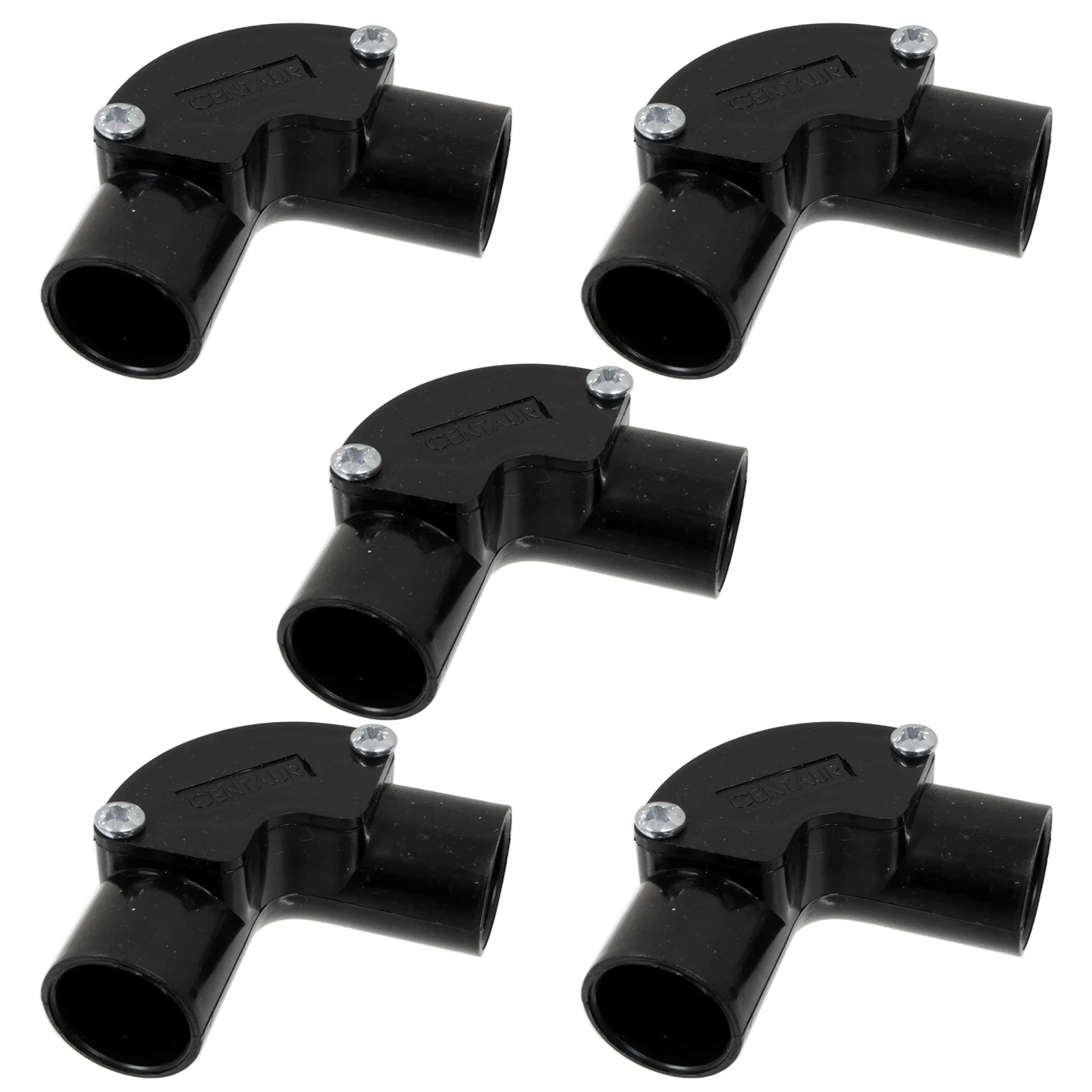
Modern electrical installations demand reliable cable protection, efficient routing, and simplified maintenance. To achieve these objectives, every component within a conduit system plays a critical role. Among the most essential accessories are Conduit Fittings Inspection Elbows, which provide a practical solution for changing conduit direction while maintaining easy access to wiring for inspection, maintenance, and future modifications.
Widely used across residential, commercial, industrial, and infrastructure projects, Conduit Fittings Inspection Elbows help ensure that conduit systems remain accessible, organized, and compliant with industry standards.
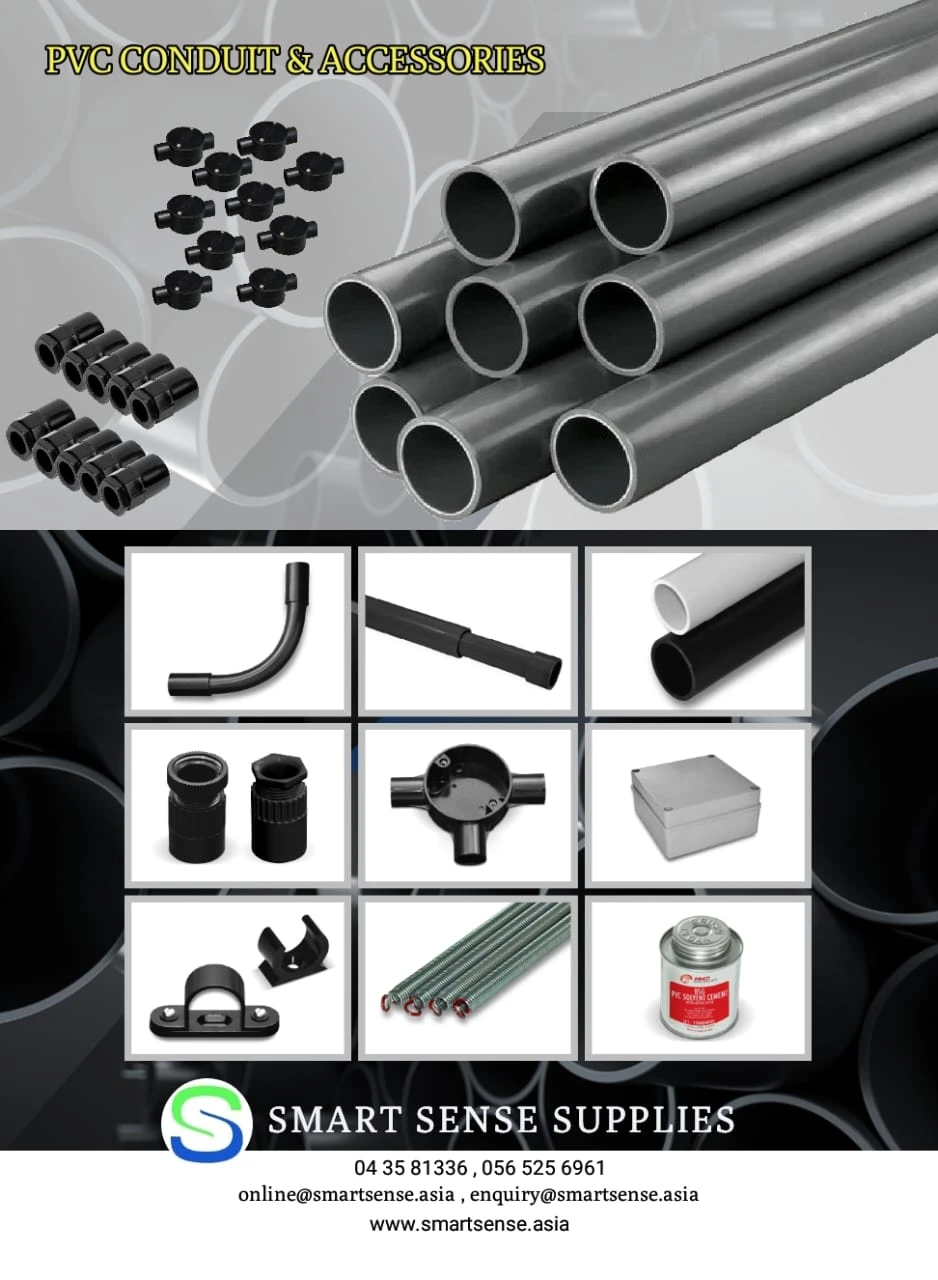
Conduit Fittings Inspection Elbows are specially designed conduit accessories that allow conduit runs to change direction, typically at a 90-degree angle, while incorporating a removable inspection cover for cable access.
Unlike standard elbows, inspection elbows provide a convenient access point that enables electricians and maintenance personnel to inspect, pull, replace, or troubleshoot cables without dismantling sections of the conduit system.
This feature makes them particularly valuable in complex electrical installations where accessibility and maintenance efficiency are critical.
Electrical conduit systems are designed to protect cables from mechanical damage, environmental exposure, and moisture intrusion. However, conduit bends can often make cable installation and maintenance more challenging.
Conduit Fittings Inspection Elbows address this challenge by providing direct access to wiring at key turning points within the conduit network.
Their use offers several operational advantages:
The removable inspection cover provides direct access to cables inside the conduit system, making maintenance and modifications significantly easier.
Manufactured from high-quality PVC materials, Conduit Fittings Inspection Elbows offer excellent resistance to corrosion, moisture, chemicals, and environmental conditions.
The elbow design facilitates smooth directional changes while minimizing stress on electrical cables during installation and operation.
These fittings maintain the integrity of the conduit system, ensuring that cables remain protected from external contaminants and physical damage.
Designed for quick and efficient installation, inspection elbows help reduce labor time and simplify electrical project execution.
Professional Conduit Fittings Inspection Elbows are commonly used in a wide range of electrical installations, including:
Office complexes, retail spaces, and commercial facilities utilize inspection elbows to maintain organized and accessible conduit networks.
Factories, warehouses, and manufacturing plants rely on inspection fittings to support complex electrical distribution systems.
Modern housing projects incorporate inspection elbows to facilitate future maintenance and electrical upgrades.
Airports, transportation facilities, utility installations, and public infrastructure projects use conduit inspection fittings to ensure long-term system reliability.
Inspection elbows support structured cabling systems where cable accessibility and future scalability are important considerations.
Maintenance personnel can quickly access cables without removing large sections of conduit, reducing service time and operational disruptions.
Inspection access points make cable pulling easier, particularly in conduit systems with multiple directional changes.
Regular inspections become more practical, helping identify potential issues before they affect system performance.
Easy accessibility minimizes labor requirements during troubleshooting, repairs, and system modifications.
The combination of durability and accessibility ensures reliable performance throughout the lifecycle of the electrical installation.
Selecting the appropriate Conduit Fittings Inspection Elbow requires consideration of several important factors:
Choosing high-quality fittings helps ensure optimal performance, safety, and longevity.
The effectiveness of an electrical conduit system depends on the quality of every component within the network. Premium Conduit Fittings Inspection Elbows contribute to improved cable protection, easier maintenance, and enhanced system durability.
Investing in reliable conduit accessories reduces long-term maintenance challenges while supporting efficient and professional electrical installations.
Conduit Fittings Inspection Elbows are an essential component of modern conduit systems, providing the perfect balance of cable protection, accessibility, and installation efficiency. Their ability to facilitate inspections, simplify cable routing, and support long-term maintenance makes them a valuable addition to residential, commercial, industrial, and infrastructure projects.


You need to Sign in to view this feature

This address will be removed from this list
 english